"Nootropic" is a marketing word, not a category with a standard. It covers a well-studied combination you can buy in a supermarket, several compounds studied in people with dementia rather than people with brain fog, and a handful of research chemicals that are not legal dietary ingredients in the US at all. Here is which is which.
The one with the best evidence
Caffeine plus L-theanine. Unglamorous, cheap, and the most consistently demonstrated combination in the whole category for attention and alertness. Caffeine provides the alertness; theanine, an amino acid from tea, blunts the jitter and the crash without cancelling it. Typical studied pairing is roughly 50 mg of caffeine with 100 to 200 mg of theanine.
If you take nothing else from this article: this is the one that works, and it is the cheapest thing on the list.
The amino acids
- L-tyrosine. Precursor to dopamine and norepinephrine. The trials are specifically about performance under acute stress, cold, noise or sleep deprivation — it shores up depleted neurotransmitters rather than raising baseline in a rested person. Studied around 300 mg to 2 g. Genuinely relevant if your fog follows broken sleep.
- Acetyl-L-carnitine. Some evidence in older adults and in fatigue states, including chronic fatigue. The research population skews older than perimenopausal. Reasonable to try, oversold as a general focus aid.
- BCAAs. Not a nootropic. They compete with tyrosine and tryptophan for the same transporter into the brain, which is why some people report feeling foggier on them, not sharper.
- Glycine. Not a stimulant. Studied at around 3 g before bed for sleep quality and next-day alertness, which is a different and more useful mechanism than most things here.
The cholines
- Citicoline (CDP-choline). The best-supported of the cholines, with some trials in attention and memory, including in healthy adults. Usually 250 to 500 mg. Among the more defensible purchases in this section.
- Alpha-GPC. Well absorbed and widely sold. Most of the clinical work is in cognitive decline populations rather than in healthy people with fog. There has also been debate about cardiovascular signals in observational data, which is unresolved rather than settled either way.
- Phosphatidylserine. An older literature, mostly age-related memory complaints, and much of it used a soy- or bovine-derived form that differs from what is sold now. Modest at best.
The herbs
- Bacopa monnieri. Probably the best-evidenced cognitive herb, but it works slowly — trials run 8 to 12 weeks before anything shows. Commonly causes stomach upset. Nobody tells you either of those things at the point of sale.
- Rhodiola rosea. Evidence is for fatigue rather than cognition as such. Reasonable if exhaustion is the dominant complaint.
- Panax ginseng. Small trials on mental fatigue and working memory. Modest and inconsistent, but not nothing.
- Ginkgo biloba. The most marketed and among the weakest in healthy adults. It also interacts with anticoagulants and antiplatelets, which matters more than its benefit does.
The ones to leave alone
- Vinpocetine. The FDA has stated it does not meet the definition of a dietary ingredient, and has specifically warned that women of childbearing age should not consume it. It is still sold. That tells you how little pre-market checking happens in this category.
- Noopept and the racetams. Not lawful dietary supplements in the US. Sold anyway, usually as "research chemicals", with no manufacturing standard behind what is in the bag.
- Unlabeled "nootropic stacks". Proprietary blends with a dozen actives and no amounts. Analyses of this market keep finding products containing things the label does not mention.
How to try one without wasting the money
- One at a time. A stack tells you nothing about which component did anything.
- Give it the studied duration. Caffeine and theanine act within an hour; bacopa needs three months. Judging bacopa after a week is judging nothing.
- Write down a specific measure. "Did I lose words in meetings this week" beats a general impression, which is where placebo lives.
- Check interactions first. Ginkgo with blood thinners, rhodiola and ginseng with stimulants and some antidepressants.
What MYNDR uses from this list
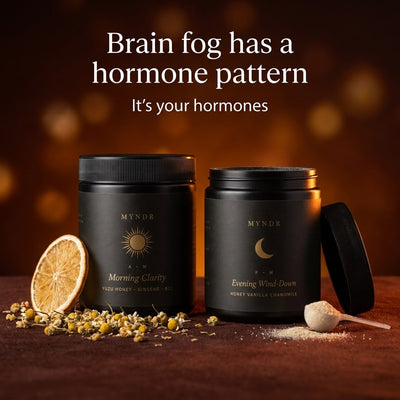
MYNDR uses the well-evidenced end of it: caffeine 50 mg with L-theanine 150 mg, L-tyrosine 300 mg and Panax ginseng 150 mg in the morning, and glycine 3000 mg with magnesium glycinate and L-theanine at night. No ginkgo, no racetams, no proprietary blend. The amounts are printed so you can compare them to the figures above.
The short version
- Caffeine plus L-theanine is the best-evidenced and cheapest option in the category.
- L-tyrosine helps under stress and sleep deprivation, not in rested people.
- Citicoline is the most defensible choline; bacopa is the best herb but needs 8 to 12 weeks.
- Ginkgo is heavily marketed, weakly supported, and interacts with anticoagulants.
- Vinpocetine carries an explicit FDA warning for women of childbearing age.
- Noopept and the racetams are not lawful dietary supplements in the US.
This article is general information, not medical advice. Talk to a clinician or pharmacist before combining any of these with prescribed medication. These statements have not been evaluated by the Food and Drug Administration. This product is not intended to diagnose, treat, cure or prevent any disease.