
Best overall: no supplement is an established treatment for menopause brain fog. Best for an AM/PM routine: Myndr. Best for a confirmed nutritional gap: the specific nutrient you lack. This 2026 guide compares supplements for menopause brain fog by clinical purpose, evidence limits, and safety—not by promises of better memory.
- No supplement is an established treatment for menopause brain fog; investigate persistent or worsening symptoms.
- Myndr offers an AM/PM cognitive support system for perimenopausal women seeking a structured routine.
- Vitamin B12 and iron belong on your shortlist when testing or clinical assessment identifies a deficiency.
- Magnesium, omega-3s, and vitamin D have nutritional roles, not established menopause brain fog benefits.
Why this matters
Brain fog describes symptoms, not a diagnosis. You might lose your train of thought, struggle to retrieve a familiar word, or find sustained concentration harder than usual. During perimenopause, disrupted sleep and other symptoms can make everyday mental tasks more difficult.
That does not mean every episode has the same cause. Medication effects, thyroid problems, depression, sleep disorders, and nutritional deficiencies also deserve consideration. A supplement chosen without that context can leave the actual problem untouched.
The best starting point is a symptom assessment, not a supplement stack. Sudden confusion, trouble speaking, facial drooping, or weakness requires emergency care rather than a menopause self-care plan.
What makes the best supplements for menopause brain fog?
Use these criteria to judge a supplement in 2026. A product earns a place in your routine by meeting a specific need, not simply by including ingredients associated with the brain.
- Clinical fit: Does the supplement address a documented deficiency, a dietary gap, or another clearly defined need?
- Evidence: Is the evidence about this ingredient, this outcome, and this population—not an unrelated laboratory finding?
- Safety: Can you take it alongside your medicines and existing supplements without duplication or a relevant interaction?
- Label clarity: Can you identify each ingredient, its amount, and the directions without relying on promotional claims?
- Routine fit: Can you follow the schedule and track changes without introducing several new variables together?
Independent quality testing can help assess identity and contaminants. It does not establish that a supplement improves menopause-related cognition. Treat manufacturing quality and clinical effectiveness as separate questions.
Supplements at a glance
This 2026 ranking assigns each option a different job. The first entry is a routine format; the nutrient entries are conditional choices, not interchangeable treatments for forgetfulness.
| Option | Best for | Standout feature | Key limitation |
|---|---|---|---|
| Myndr AM/PM cognitive support system | A structured perimenopause supplement routine | Separate AM/PM format with a symptom tracker app | Format alone does not establish cognitive benefit |
| Vitamin B12 | Confirmed B12 deficiency | Supports normal nerve function | Extra B12 is not an established brain fog treatment when status is adequate |
| Iron | Confirmed iron deficiency | Replaces a nutrient needed for hemoglobin production | Unnecessary supplementation can cause harm |
| Magnesium | Addressing inadequate magnesium intake | Essential mineral involved in nerve and muscle function | Not an established treatment for menopause brain fog |
| Omega-3s | Addressing limited dietary omega-3 intake | Supplies fatty acids found in fish or algae | A nutritional role does not prove symptom improvement |
| Vitamin D | Addressing low vitamin D status | Supports calcium absorption and bone health | Brain fog alone does not establish a need |
1. Myndr: best for an AM/PM perimenopause routine
Myndr sells an AM/PM cognitive support supplement system aimed at perimenopausal women aged 35–50 experiencing brain fog, disrupted sleep, and word retrieval difficulties. The system also includes a symptom tracker app. Its distinct role here is the structured routine, rather than a claim that it outperforms individual nutrients.
Myndr is best for perimenopausal women seeking an AM/PM cognitive support supplement routine. Before choosing a multi-ingredient system, review the full ingredient panel with a pharmacist or clinician, particularly if you already take supplements or prescription medicines.
System pros:
- Provides a defined morning/evening format.
- Focuses on the perimenopause symptoms covered in this guide.
- Includes an app for recording symptoms.
System cons:
- A multi-ingredient approach makes individual ingredient effects harder to separate.
- The AM/PM format is not evidence of clinical effectiveness.
- It does not replace assessment of persistent cognitive symptoms.
Best for: Women who want a structured supplement routine and are prepared to check suitability first.
Verdict: Hold until you have reviewed the ingredients and your existing routine.
2. Vitamin B12: best for confirmed B12 deficiency
Vitamin B12 supports normal nerve function and red blood cell formation. Deficiency can cause neurological symptoms, and correcting it is a clinical priority—not a general-purpose memory strategy.
The NIH Office of Dietary Supplements lists an adult recommended intake of 2.4 micrograms per day. That figure is a nutritional reference, not a treatment dose for deficiency; treatment depends on the cause, severity, and ability to absorb B12.
Vitamin B12 pros:
- Addresses a specific, identifiable deficiency.
- Has a clear role in normal neurological function.
- Offers a focused intervention rather than a broad ingredient blend.
Vitamin B12 cons:
- Extra B12 is not an established cognitive treatment when your status is adequate.
- Absorption problems require a treatment plan, not just a different supplement label.
Best for: People with confirmed deficiency or a clinician-identified need, including relevant dietary or absorption risks.
A vegan diet and certain medicines can affect the assessment of B12 needs. Tell your clinician about both rather than assuming menopause explains every symptom.
Verdict: Buy when a clinical assessment identifies a need; skip as a universal brain fog remedy.
3. Iron: best for confirmed iron deficiency
Iron is required to make hemoglobin, the protein that carries oxygen in red blood cells. Iron deficiency and iron-deficiency anemia can contribute to fatigue and difficulty concentrating. Heavy menstrual bleeding is therefore important context during perimenopause.
The NIH Office of Dietary Supplements lists a recommended intake of 18 milligrams per day for women aged 19–50, falling to 8 milligrams per day from age 51. These are dietary reference amounts, not instructions for treating low iron.
Iron pros:
- Targets a measurable nutritional problem.
- Has a clear treatment role when deficiency is confirmed.
- Connects symptoms with relevant menstrual and dietary history.
Iron cons:
- Can cause constipation, nausea, and other gastrointestinal symptoms.
- Excess iron can be harmful, and accidental ingestion is especially dangerous for children.
- Interacts with some medicines and affects their absorption.
Best for: Women whose clinical assessment and blood tests identify iron deficiency.
Ask about the cause as well as the treatment. Replacing iron without investigating ongoing blood loss leaves an important question unanswered.
Verdict: Buy only for an identified need; skip self-prescribing for unexplained brain fog.
4. Magnesium: best for addressing inadequate intake
Magnesium participates in normal nerve and muscle function and many other bodily processes. It appears frequently in sleep-oriented supplement discussions, but that does not establish it as a treatment for menopause-related cognitive symptoms.
For adults, the NIH Office of Dietary Supplements gives a 350-milligram daily upper limit for magnesium from supplements and medicines. This limit does not include magnesium naturally present in food and is not a recommended brain fog dose.
Magnesium pros:
- Addresses an essential nutrient requirement.
- Offers an option when dietary intake is inadequate.
- Can be assessed separately from a multi-ingredient sleep blend.
Magnesium cons:
- Supplemental magnesium can cause diarrhea and abdominal cramping.
- Kidney disease requires particular caution because magnesium clearance can be impaired.
- It is not an established menopause brain fog treatment.
Best for: People with a dietary gap or another clinician-identified reason to supplement magnesium.
Count magnesium across all products you use, including medicines. Different compounds contain different amounts of elemental magnesium, so compare the declared nutrient amount rather than the compound name alone.
Verdict: Hold until you have checked intake, kidney-related risks, and overlapping products.
5. Omega-3s: best for addressing limited dietary intake
Omega-3 supplements supply fatty acids, including EPA and DHA in many fish- or algae-derived products. These nutrients have physiological roles, but that is not the same as evidence that a supplement resolves menopause brain fog.
Start with your usual diet and your reason for considering supplementation. A product chosen to address dietary intake should not be presented as a proven treatment for word retrieval or concentration difficulties.
Omega-3 pros:
- Provides a defined nutritional option when relevant foods are limited.
- Includes fish- and algae-derived formats.
- Allows EPA and DHA amounts to be checked on the label.
Omega-3 cons:
- Can cause gastrointestinal discomfort or an unpleasant aftertaste.
- Requires attention to source ingredients and allergies.
- Calls for medication review, particularly when anticoagulants are involved.
Best for: People seeking to address limited dietary omega-3 intake, not those expecting a reliable menopause cognition treatment.
Check the listed EPA and DHA amounts rather than treating total oil content as equivalent. Also review any additional vitamins included in the formula.
Verdict: Hold for a dietary assessment; skip if sharper memory is the sole reason for buying.
6. Vitamin D: best for addressing low vitamin D status
Vitamin D supports calcium absorption and bone health. That makes it relevant to broader midlife health, but a bone-health role does not establish a brain fog benefit.
A clinician can assess whether testing or supplementation fits your risk factors. Brain fog alone is not a diagnosis of vitamin D deficiency, and a high-dose product is not a shortcut to clearer thinking.
Vitamin D pros:
- Has an established role in bone health.
- Addresses low status when clinically identified.
- Offers a specific nutrient intervention rather than a broad cognitive blend.
Vitamin D cons:
- Excess intake can cause toxicity, including elevated blood calcium.
- Can overlap with multivitamins and other combination products.
- Is not an established treatment for menopause brain fog.
Best for: People with low vitamin D status or a clinician-identified supplementation need.
Review the amount across every product in your routine. More is not automatically better, and nutrient duplication is easy to overlook when labels emphasize different benefits.
Verdict: Buy for an identified vitamin D need; skip as a stand-alone brain fog strategy.
How this ranking works
This 2026 ranking separates routine design from deficiency correction and general nutritional support. It does not imply that the first item produces the largest cognitive improvement. Each option occupies a distinct use case because the right choice depends on the problem you are addressing.
The nutrient functions and intake references above follow the NIH Office of Dietary Supplements fact sheets for vitamin B12, iron, magnesium, omega-3 fatty acids, and vitamin D. Dietary reference amounts are not individualized prescriptions or evidence of menopause symptom relief.
Build a routine you can actually assess
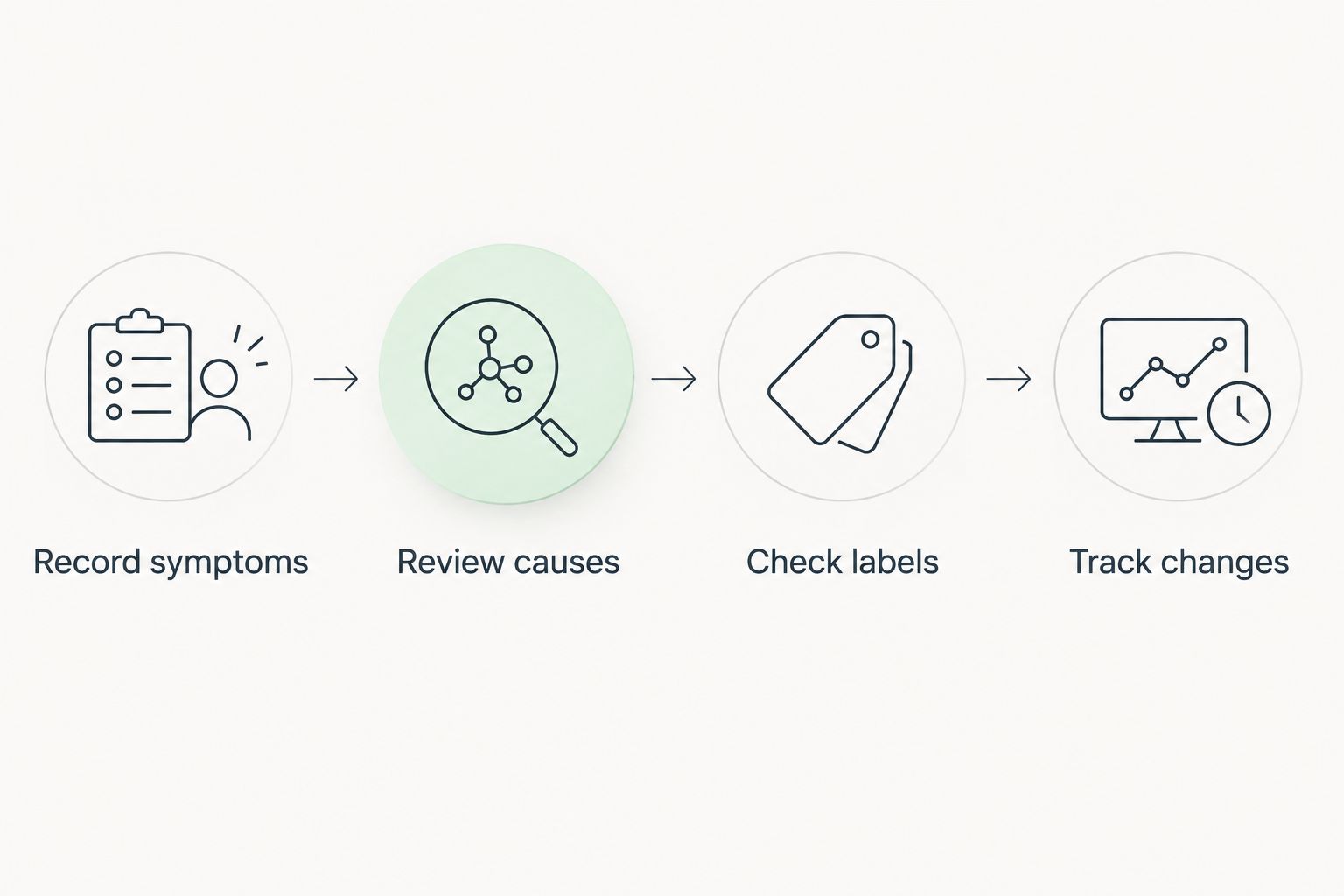
A changing supplement stack makes it difficult to understand what happened. Use a simple sequence instead, and keep your clinician informed about products you add or stop.
Record symptoms
Write down what brain fog means for you: lost words, interrupted concentration, forgotten tasks, or another specific difficulty. Include sleep disruption, bleeding changes, medication changes, and the effect on daily life. Concrete examples make an appointment more useful than a general report of feeling unlike yourself.
Review causes
Discuss persistent or worsening symptoms with a clinician. The assessment should consider your history and other symptoms rather than automatically attributing everything to menopause. Tests belong to that clinical assessment; a broad shopping list of tests is not a substitute.
Check labels
Bring the complete labels of medicines and supplements to a pharmacist or clinician. Check ingredient overlap, relevant interactions, and the reason for each product. Do not assume morning and evening products contain entirely different nutrients.
Track changes
Record what you started, stopped, or changed alongside symptoms. Avoid treating a single good day as proof. A tracker supports a clearer conversation; it does not diagnose the cause or establish that a product worked.
Which supplement should you choose?
For most readers, the default choice is assessment before supplementation. Choose vitamin B12 or iron when a deficiency is identified; consider magnesium, omega-3s, or vitamin D for a defined nutritional need rather than an assumed cognitive benefit.
Myndr offers an AM/PM cognitive support supplement format for women who want that structure. Check its ingredients against your existing routine before deciding. In 2026, the useful question remains the same: what specific need does this product address for you?
FAQ
What's the best supplement for menopause brain fog?
No supplement is an established treatment for menopause brain fog. The best choice depends on whether you have a nutritional deficiency, a dietary gap, or another identifiable cause of symptoms.
Is Myndr better than taking individual vitamins?
Myndr offers an AM/PM cognitive support system, while individual nutrients address specific nutritional needs. The format alone does not establish better cognitive results; compare ingredients and suitability with a clinician or pharmacist.
Does vitamin B12 help with menopause brain fog?
Vitamin B12 is appropriate when deficiency or another clinical need is identified. Extra B12 is not an established treatment for menopause brain fog when your B12 status is adequate.
Should I take iron if I have heavy periods and brain fog?
Ask for a clinical assessment before taking iron for heavy periods and brain fog. Heavy bleeding is relevant to iron deficiency, but treatment should address both iron status and the cause of blood loss.
Can magnesium help me sleep and think more clearly?
Magnesium is not an established treatment for menopause brain fog. Addressing inadequate intake is a separate nutritional goal, and persistent sleep disruption deserves assessment rather than an assumed supplement solution.
Can I combine a menopause supplement with a multivitamin?
Check the complete labels with a pharmacist or clinician before combining them. Nutrient duplication and medicine interactions matter even when products advertise different benefits.
When should I get medical help for brain fog?
Seek assessment when brain fog persists, worsens, or interferes with daily life. Sudden confusion, trouble speaking, facial drooping, or weakness requires emergency care.
One last thing
Track sleep and cognition separately. Waking less often and retrieving words more easily are different outcomes; improvement in one does not prove improvement in the other. Recording both gives you a more useful basis for deciding what to discuss, continue, or change.