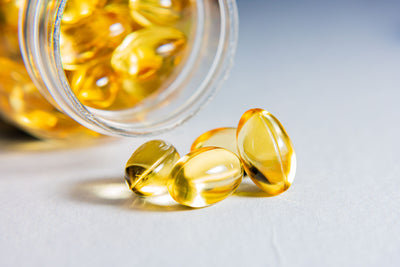
Supplements are not pre-approved for safety, and "natural" carries no information about risk. Most perimenopause supplements are tolerated well by most people, but the specific ingredients in this category have specific problems worth knowing before you start — a few of them serious. Here they are by ingredient, with the ones that warrant real caution marked as such.
The two that warrant genuine caution
- St John's Wort — interactions. This is the most interaction-prone thing sold over the counter for perimenopause. It can reduce the effectiveness of hormonal contraception, interact dangerously with SSRIs and other serotonergic drugs, and interfere with anticoagulants, some epilepsy medicines, and tamoxifen. It also causes photosensitivity. Do not combine it with an antidepressant, and do not take it while relying on the pill for contraception, without checking with a pharmacist or doctor first.
- Black cohosh and ashwagandha — liver. Both have case reports of liver injury. It is rare, and it is documented. Stop and seek medical advice if you develop yellowing of the skin or eyes, dark urine, persistent nausea, right-sided abdominal pain or unusual fatigue while taking either.
The rest, by ingredient
- Ashwagandha — beyond the liver reports: it can raise thyroid hormone levels, so it needs care in thyroid disease, and it commonly causes stomach upset. Not for use in pregnancy.
- Magnesium — oxide in particular acts as a laxative; diarrhea is the usual reason people stop. Glycinate and citrate are much better tolerated. Needs medical advice in kidney disease.
- Iron — constipation, nausea and dark stools are common. More importantly, excess accumulates and causes harm, so it should not be taken without a test showing you are short.
- Vitamin B6 — sustained high doses over long periods can cause peripheral nerve damage: numbness, pins and needles, unsteadiness. This is a real and under-known risk of "high-strength B complex" products.
- Caffeine — palpitations, anxiety and disrupted sleep. Worth singling out because perimenopausal sleep is already fragile, and an afternoon dose is still active at bedtime.
- Fish oil — reflux, fishy aftertaste, loose stools. At high doses it can affect bleeding, which matters if you take an anticoagulant or have surgery coming up.
- Soy isoflavones and red clover — usually stomach upset. Talk to your oncology team first if you have a hormone-sensitive cancer or take tamoxifen or an aromatase inhibitor.
- Melatonin — morning grogginess, vivid dreams, headache. Actual content has been found to vary considerably from the label in independent testing.
- DHEA — a hormone precursor rather than an inert supplement. Acne, hair changes and other hormonal effects. Not one to self-prescribe.
- Fat-soluble vitamins (A, D, E, K) — these accumulate. More is not better, and excess is harmful.
Three habits that prevent most problems
- Start one thing at a time. If you begin four products in the same week and feel unwell, you have no way of knowing which one to stop. Two weeks apart is enough to attribute an effect.
- Check interactions with a pharmacist, not a search engine. Pharmacists do this every day, the consultation is usually free, and they will catch things a product page will not. Bring the actual bottles.
- Read the ingredient list, not the front of the box. Multi-ingredient blends are where unexpected interactions hide, because you did not set out to take the thing that caused the problem.
When to stop and get advice
Stop taking it and seek medical advice for any of these:
- Yellowing of the skin or eyes, dark urine, persistent nausea, or pain under the right ribs.
- A rash, swelling of the face or lips, or difficulty breathing — seek urgent care.
- Palpitations or chest discomfort.
- New numbness or pins and needles.
- Any unexpected vaginal bleeding, particularly after twelve months without a period.
In the US, suspected reactions can be reported to the FDA through MedWatch. Supplement adverse events are substantially under-reported, and reporting is part of how problems get identified at all.
What reduces the risk from the product itself
Because contents are not verified before sale, the practical safeguards are: buy from brands that publish third-party testing, prefer short ingredient lists over long ones, and avoid anything that will not tell you the dose of what you are taking. A proprietary blend is not only hiding low doses — it is hiding what you would need to check for an interaction.
That is the standard we hold MYNDR to: every active and every dose printed, so you or your pharmacist can check it against what else you take. It contains caffeine in the morning formula, at roughly half a coffee — relevant if you are sensitive, or already sleeping badly.
The short version
- St John's Wort interacts with contraception, SSRIs, anticoagulants and tamoxifen. Check before starting.
- Black cohosh and ashwagandha both have liver-injury case reports. Know the warning signs.
- Sustained high-dose B6 can cause nerve damage.
- Never take iron without a test; never assume fat-soluble vitamins are harmless in excess.
- Start one product at a time, or you will not know what caused what.
- Take the bottles to a pharmacist. It is free and it is what they are for.
This article is general information, not medical advice. Talk to a clinician or pharmacist about your own symptoms, history and any supplement taken alongside prescribed medication. These statements have not been evaluated by the Food and Drug Administration. This product is not intended to diagnose, treat, cure or prevent any disease.